Author Training
From $65 per courseLive, practical courses and our flagship AI writing programme for romance authors. Plotting, AI tools, marketing, cover design and more.
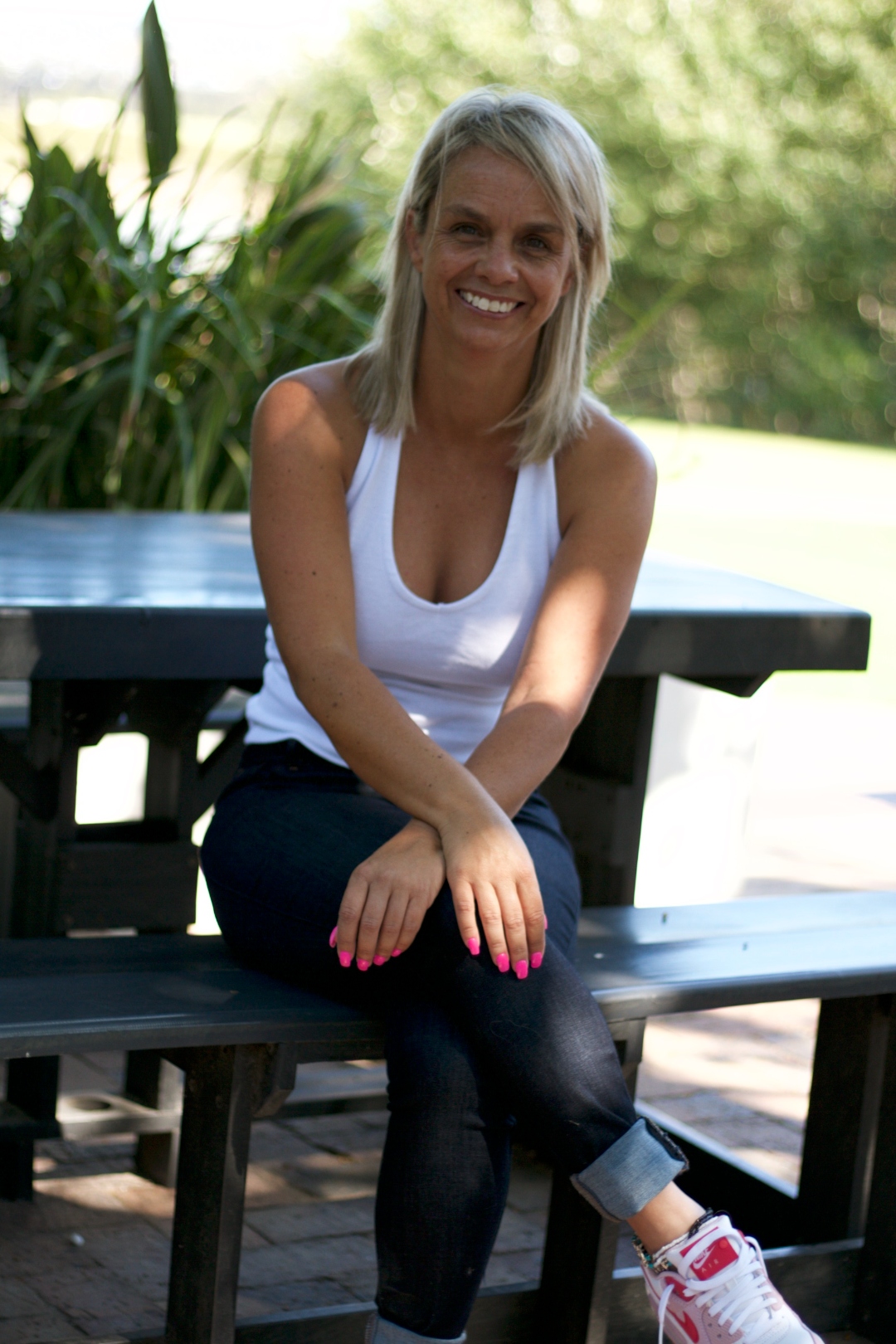
BROWSE COURSES →I'm Coral Hart — international bestselling author, award-winner, and founder of PlotProse. With over 14 years in publishing, I built PlotProse to give authors like you the tools, training and ready-made resources to build a book business that actually pays. From our popular AI writing course for romance authors to step-by-step workshops, everything here is designed to help you write faster and earn more.
Looking for Coral's fiction? Visit the official Coral Hart Author Site →
 The New York Times
NPR’s 1A
The Atlantic
Indie Author Magazine
The New York Times
NPR’s 1A
The Atlantic
Indie Author Magazine
 Brave New Bookshelf
Writing With AI Podcast
Brave New Bookshelf
Writing With AI Podcast
Each mark links the piece it refers to. Full coverage, including the critics.
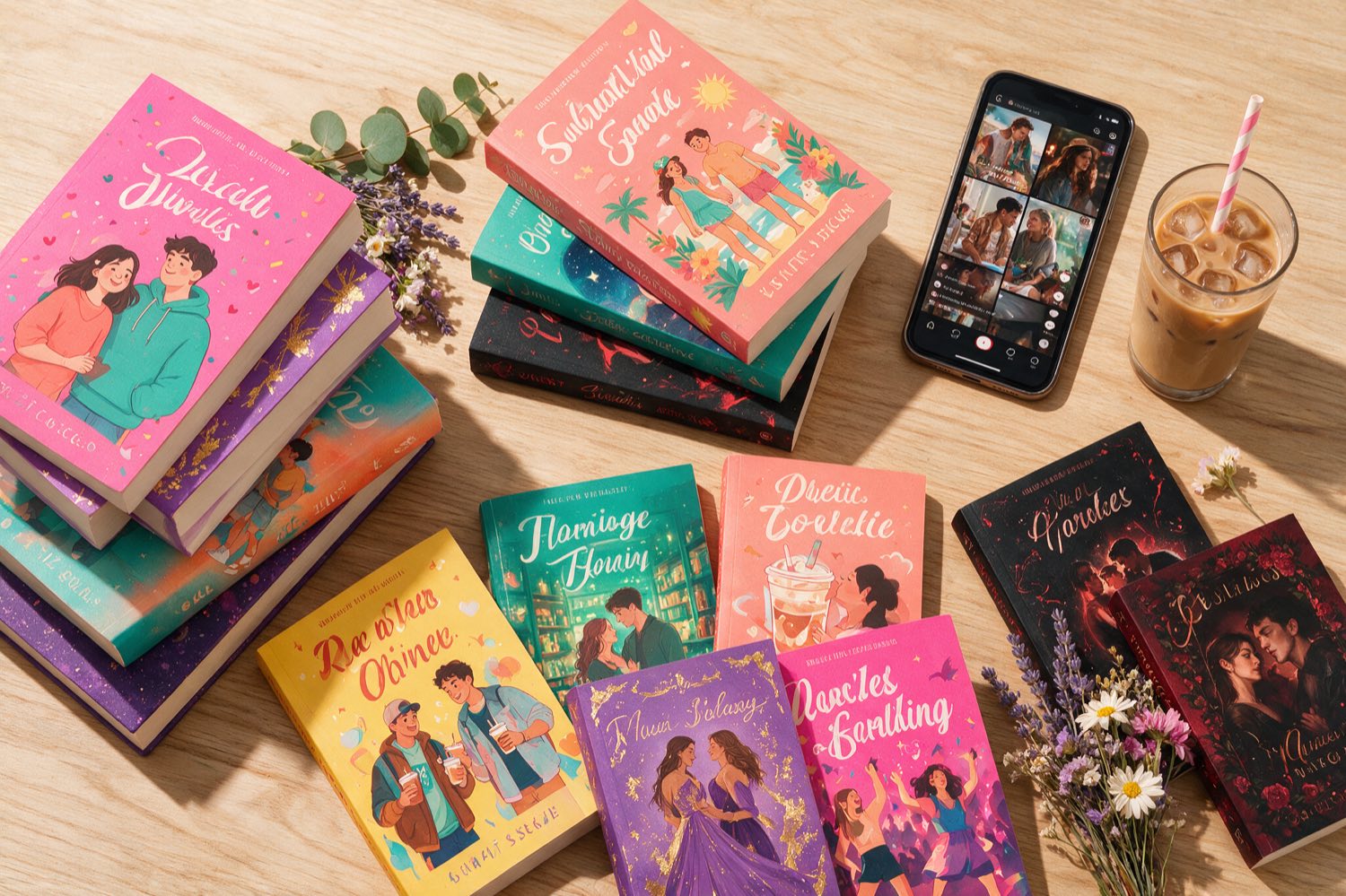
Our free demand report reads what romance readers are actually buying right now — the tropes heating up, the subgenres cooling off, and where the open lanes are. Built from live market data, not guesswork.
READ THE 2026 DEMAND REPORT →Every guide, tool and comparison on PlotProse leans on two things we actually measure: Coral Hart’s recorded teaching, and a live dataset of what romance readers are buying. These are the counts as of 21 September 2026, taken directly from our databases.
These numbers feed the free Romance Trope Library, the 2026 Reader Demand Report, our ranked book lists such as enemies to lovers books, and our honest tool comparisons (Scrivener alternatives, Sudowrite alternatives). We update them when we recount, not when it suits a headline — counted 22 August 2026 against the PlotProse training database and romance market dataset.
1:09 · a real client dashboard, not a mockup
Not a course, not a spreadsheet — a live command center. It plans your year around your real pace, runs your newsletter swaps for you (authors get 6–7 hours a week back), syncs your real KDP royalties hourly, and reads live reader demand in your lane. $50/month for the first 50 authors, then $75.
SEE THE PERFECT YEAR →Live, practical courses and our flagship AI writing programme for romance authors. Plotting, AI tools, marketing, cover design and more.
BROWSE COURSES →Everything you need to publish — cover, blurb, outline, formatted manuscript template, and marketing plan. Just add your words.
SEE PACKAGES →Take your Skip-the-Draft manuscript further. We edit, refine and run the reports to get your book beta-reader-ready: polished and primed for launch.
SEE THE UPGRADE →New training every month, talks from industry leaders, and a growing knowledge base — for romance authors building real careers.
JOIN THE INNER CIRCLE →PlotProse completely changed how I approach writing. I went from struggling with my first draft to publishing two books in six months.— Sarah M., Romance Author
The AI writing workshop was worth every penny. Coral breaks everything down so clearly. My productivity has tripled since taking the course.— Jessica T., Indie Publisher
I bought a Skip-the-Draft package and had my book outlined, covered, and ready to write in a weekend. Absolute game-changer for new authors.— Amanda R., Debut Author
Join thousands of romance authors who are writing faster, publishing smarter, and building sustainable author businesses with PlotProse.
GET STARTED TODAY →AI Tools I have tried and tested that get my stamp of approval!
We use a cookie to see which pages authors actually find useful. Nothing is measured until you say yes.